Steroid Aesthetics vs Functional Strength: What’s the Real Difference?
Walk into any gym, and you’ll notice two distinct kinds of physiques: the sculpted, aesthetic “bodybuilder” type and the powerful, compact “strength athlete.” Both look impressive—but they’re built very differently. One prioritizes symmetry, proportion, and visual appeal; the other, raw power and performance. Steroid use often blurs the line between them, but understanding how steroids affect form versus function reveals a lot about what you’re truly training for.
What “Aesthetic” Physique Really Means
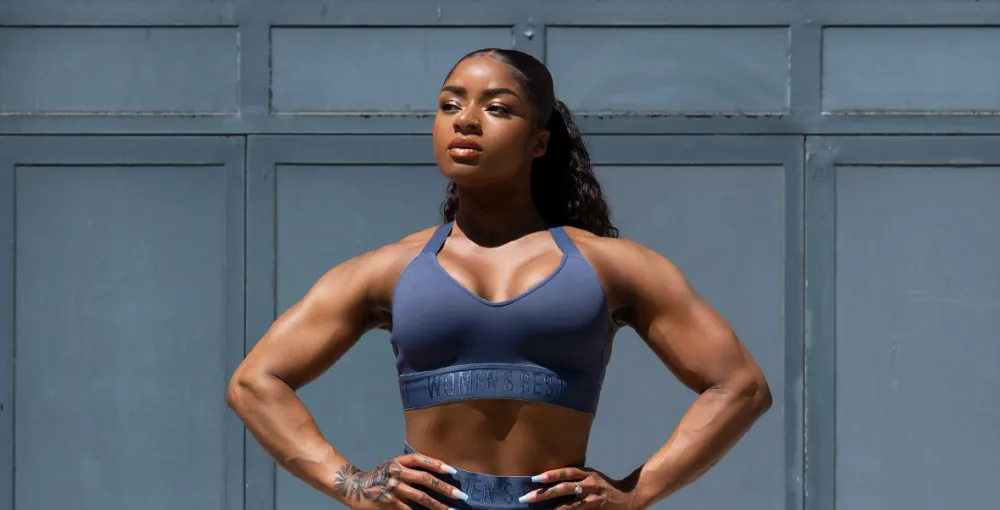
An aesthetic body isn’t just about size—it’s about proportion, symmetry, and visual flow. This is the physique idealized in fitness magazines and social media:
- Broad shoulders tapering to a narrow waist
- Rounded delts and full chest
- Visible abs with low body fat
- Balanced upper-to-lower body development
Steroids enhance this aesthetic dramatically. They amplify muscle fullness, vascularity, and hardness while accelerating fat loss through improved nutrient partitioning. Essentially, steroids help you achieve the Greek statue look faster—and often beyond natural limits.
However, this aesthetic appeal doesn’t necessarily translate to real-world strength or athletic ability. It’s primarily visual.
What “Functional Strength” Really Means
Functional strength, on the other hand, prioritizes how well your body performs, not just how it looks. It’s about:
- Generating force efficiently
- Moving with balance and stability
- Handling real-world physical challenges
Powerlifters, wrestlers, and CrossFit athletes embody this kind of strength. Their training focuses on compound lifts, joint integrity, and core stability—not aesthetics. Functional athletes care less about six-pack definition and more about whether their body performs optimally under resistance or fatigue.
Interestingly, many of these athletes remain “stocky” rather than shredded. That’s because optimal performance doesn’t require ultra-low body fat or perfectly sculpted muscles.
How Steroids Change Both
Anabolic steroids promote muscle growth by increasing protein synthesis, nitrogen retention, and recovery speed. This means more muscle tissue can be built—and maintained—under higher training stress.
For aesthetics, this results in:
- Larger, rounder muscle bellies
- Enhanced vascularity
- A harder, “dry” look
For strength, this results in:
- Greater cross-sectional muscle area
- Improved neuromuscular efficiency
- Faster recovery between sessions
The difference lies in how steroids are used.
- Aesthetic users combine anabolic compounds like Anavar, Primobolan, and Winstrol with calorie restriction to stay lean and defined.
- Strength athletes use testosterone, Deca-Durabolin, or Trenbolone in conjunction with calorie surpluses to maximize force output and joint resilience.
Same drugs—different outcomes based on diet, training, and recovery goals.
Aesthetics: Show Over Performance
Aesthetic-focused steroid users typically chase form over function. Their training includes:
- High-volume hypertrophy work (8–15 reps)
- Isolation exercises for shape and balance
- Strict diet control for low body fat
- Posing and visual feedback to refine symmetry
While this builds visually stunning physiques, it often comes at a cost:
- Decreased endurance due to limited cardiovascular training
- Joint fragility from overemphasis on appearance
- Possible imbalance between muscle groups
Aesthetic steroid users look incredibly strong—but many can’t perform at that level functionally.
Strength: Substance Over Looks
Strength athletes on steroids use them as tools for performance enhancement, not just aesthetics. Their routines prioritize:
- Low-rep compound lifts (1–6 reps)
- Progressive overload and CNS efficiency
- Mobility and stability under load
- Caloric intake to support joint and tendon health
Because steroids increase red blood cell production and recovery speed, these athletes can train with high frequency and intensity. However, they don’t necessarily look as shredded as bodybuilders. The functional steroid user’s physique is denser, thicker, and less “photoshoot ready”—but immensely powerful.
Why Aesthetic Gains Don’t Always Mean Functional Strength
The reason aesthetic steroid users look stronger than they are lies in muscle fiber recruitment and neural adaptation. Steroids enlarge muscle fibers (hypertrophy), but strength comes from coordinated recruitment of motor units.
Aesthetic training maximizes fiber size, while functional strength depends on:
- Neural efficiency (brain-muscle connection)
- Intermuscular coordination (how muscles work together)
- Tendon and ligament adaptation
So, while both groups grow stronger on steroids, strength athletes train their nervous systems, not just their muscles.
The Joint and Tendon Factor
Here’s where many aesthetic steroid users go wrong: steroids increase muscle size faster than tendons and ligaments can adapt. This imbalance raises the risk of:
- Tendon ruptures
- Shoulder and elbow injuries
- Chronic joint inflammation
Functional athletes usually fare better because their training naturally strengthens connective tissues through compound movements, controlled eccentric phases, and full range-of-motion exercises.
Metabolic Differences: Pump vs Power
Steroid users chasing aesthetics love “the pump”—that swollen, vascular feeling during workouts. This comes from increased blood flow and fluid retention in the muscle.
Functional athletes, however, prioritize ATP efficiency and neural firing rate, not pumps. Their muscles might not look as inflated, but their output per unit of muscle is higher.
This is why a shredded, 85 kg bodybuilder might bench 140 kg, while a less-defined 85 kg powerlifter might bench 180 kg. The visual difference doesn’t reflect functional strength.
The Recovery Advantage
Steroids enhance recovery by suppressing cortisol and promoting tissue repair. Aesthetic users use this to train longer and harder, while strength athletes use it to handle heavier loads with less downtime.
However, the central nervous system (CNS) still requires rest. Overreliance on steroids can mask fatigue signals, leading to overtraining and injury if recovery isn’t managed intelligently.
The Psychological Contrast
Aesthetic users often face body image pressure—the constant pursuit of perfection. Their motivation is external (appearance, validation). Strength athletes, meanwhile, find motivation in progressive overload and performance metrics—an internal form of validation.
Steroids can amplify both mentalities:
- Aesthetic users may develop dysmorphia or dependency.
- Strength athletes may push into dangerous intensity zones, risking long-term damage.
The key difference is that one chases how it looks; the other, how it feels to perform.
Health Trade-Offs
Both approaches carry risks, but they manifest differently:
| Aspect | Aesthetic Users | Strength Users |
|---|---|---|
| Primary Goal | Visual perfection | Max performance |
| Common Compounds | Anavar, Winstrol, Masteron | Test, Deca, Tren |
| Body Fat Levels | 6–10% | 10–15% |
| Risk Profile | Liver strain, hormonal suppression | Cardiovascular stress, joint injuries |
| Recovery Focus | Cosmetic recovery | Structural recovery |
Aesthetic cycles often involve oral steroids, which are harsher on the liver. Strength cycles rely more on injectables, which tax the cardiovascular system but are less hepatotoxic.
Can You Have Both?
Yes—but it’s rare. Achieving both aesthetic appeal and functional strength requires a hybrid approach:
- Moderate doses of testosterone or Primobolan
- Strength-based compound lifts combined with accessory hypertrophy work
- Balanced macronutrient intake for performance and leanness
- Cardiovascular conditioning to support overall endurance
This balance produces a physique that performs as well as it looks—the mark of true athletic development.
The Reality of “Aesthetic Strength”
When people see an enhanced physique, they assume equal power comes with it. But in reality, aesthetic steroid users chase muscle volume, not force production. Functional strength requires neural conditioning, tendon resilience, and technique—qualities steroids alone don’t provide.
True athletic mastery is found when aesthetics and function intersect—not in isolation.
FAQs
Can you build both aesthetics and strength with steroids?
Yes, if training includes both hypertrophy and low-rep compound work. The key is programming, not the drug itself.
Why do powerlifters look less shredded than bodybuilders?
Because strength training demands higher calories and doesn’t prioritize fat loss. Their muscle density is high, but definition is secondary.
Are aesthetic steroid users weaker than they look?
Often, yes. They develop muscle size faster than neural adaptation, so visual strength exceeds actual performance.
Which type of steroid cycle is safer?
Neither is truly safe, but lower-dose, injectable-based strength cycles tend to be less hepatotoxic than high-dose oral aesthetic cycles.
What’s the ideal middle ground?
A balanced program using moderate testosterone, emphasizing both aesthetics (isolation work) and function (compound lifts), supported by clean nutrition and proper recovery.
About the Author