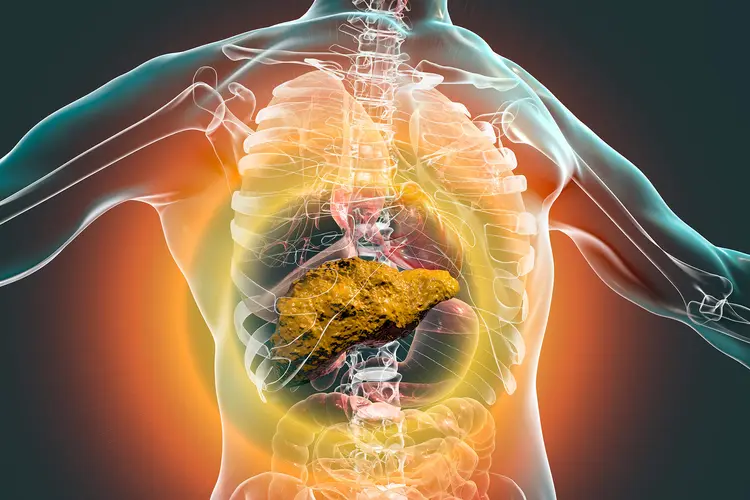
How Steroids Affect the Liver: Toxicity, Risks, and Protection
Anabolic steroids are popular in the bodybuilding and fitness world because of their ability to accelerate muscle growth, strength, and recovery. However, they are not without risk. Among the organs most vulnerable to steroid use, the liver sits at the top of the list. This is because the liver is the primary detoxification center of the body—it filters, processes, and metabolizes substances, including anabolic steroids. When steroids are misused or taken in high doses, the liver often pays the price.
This guide explains how steroids affect the liver, the different forms of liver toxicity, the risks associated with prolonged use, and what strategies athletes and lifters can use to protect this vital organ.
Why the Liver Is at Risk with Steroid Use
The liver plays a central role in processing oral steroids, especially synthetic ones modified to survive first-pass metabolism. While injectable steroids bypass much of this initial processing, oral anabolic steroids are designed to withstand breakdown in the digestive system, placing significant stress on the liver.
The 17-alpha-alkylation modification, commonly found in oral steroids such as Dianabol (methandrostenolone), Winstrol (stanozolol), and Anadrol (oxymetholone), makes them resistant to breakdown but also increases their hepatotoxicity. Over time, this can cause serious damage.
Types of Liver Damage from Steroids
Elevated Liver Enzymes
The first sign of steroid-induced liver stress often shows up as elevated liver enzymes, such as ALT (alanine transaminase) and AST (aspartate transaminase). While mild elevations may not indicate permanent damage, persistently high levels suggest ongoing liver injury.
Cholestasis (Impaired Bile Flow)
Certain steroids, especially oral ones, can lead to cholestasis, a condition where bile cannot flow properly from the liver to the intestines. This can cause jaundice, dark urine, pale stools, and severe itching.
Liver Tumors
Long-term use of anabolic steroids, particularly in high doses, has been linked to the development of liver tumors, including both benign adenomas and malignant hepatocellular carcinoma. While rare, these risks increase with chronic abuse.
Peliosis Hepatis
This rare but severe condition involves blood-filled cysts forming in the liver. It has been reported in athletes abusing anabolic steroids and can lead to internal bleeding if the cysts rupture.
Hepatic Failure
In extreme cases, steroid-induced liver damage can progress to liver failure, requiring transplantation. This outcome is rare but demonstrates the severity of risk when steroids are abused.
Which Steroids Are Most Toxic to the Liver?
Not all steroids carry the same risk of liver toxicity.
- High Risk: Oral 17-alpha-alkylated steroids like Dianabol, Winstrol, Anadrol, and Halotestin.
- Moderate Risk: Oral Turinabol, Proviron (less hepatotoxic but still processed by the liver).
- Lower Risk: Injectable testosterone esters (e.g., testosterone enanthate, cypionate) and nandrolone. These still affect the liver indirectly but are far less damaging compared to oral steroids.
Signs and Symptoms of Liver Stress
Athletes and bodybuilders using anabolic steroids should be alert to the following warning signs of liver distress:
- Persistent fatigue and weakness
- Yellowing of the skin or eyes (jaundice)
- Abdominal swelling or pain in the right upper quadrant
- Dark urine and pale stools
- Severe itching without clear cause
- Unexplained nausea and appetite loss
These symptoms warrant immediate medical attention and cessation of steroid use.
How to Monitor Liver Health During Steroid Use
If an athlete decides to use steroids despite the risks, consistent monitoring is essential. Recommended strategies include:
- Regular Blood Tests: Monitoring ALT, AST, bilirubin, and alkaline phosphatase levels.
- Ultrasound Imaging: To check for structural abnormalities in the liver.
- Clinical Evaluation: Regular checkups with a physician familiar with performance-enhancing drug use.
Protecting the Liver: Evidence-Based Strategies
While there is no way to make steroid use 100% safe, several measures can reduce the risk of liver damage.
Avoiding Prolonged Oral Cycles
Limiting oral steroid cycles to 4–6 weeks and avoiding stacking multiple hepatotoxic compounds at once reduces cumulative strain on the liver.
Using Liver Support Supplements
Some supplements show promise in protecting liver cells:
- Milk Thistle (Silymarin): Antioxidant properties may help reduce oxidative stress.
- N-Acetyl Cysteine (NAC): Boosts glutathione levels, aiding detoxification.
- TUDCA (Tauroursodeoxycholic Acid): Effective in combating cholestasis and improving bile flow.
Maintaining a Liver-Friendly Lifestyle
- Avoid alcohol, which compounds liver toxicity.
- Stay hydrated to support metabolic processes.
- Eat a balanced diet rich in antioxidants (leafy greens, berries, cruciferous vegetables).
- Limit processed foods and excess saturated fats.
Using Safer Alternatives
For individuals seeking performance enhancement with reduced risks, options like SARMs (selective androgen receptor modulators) have been explored, though they are not free from potential liver toxicity. Natural testosterone boosters and disciplined nutrition/training programs remain safer long-term solutions.
When to Stop Steroid Use
If blood tests reveal persistently elevated liver enzymes, or if clinical signs of liver distress appear, discontinuing steroids is essential. Continuing use despite clear markers of damage significantly increases the risk of irreversible liver disease.
Long-Term Risks for UK Lifters
In the UK, steroid use is widespread among gym-goers, but many underestimate the cumulative risks of repeated cycles over years. Liver disease from steroids may remain silent until advanced, making prevention and monitoring critical. The NHS frequently treats patients with liver complications tied to unregulated anabolic steroid use, often purchased online or from underground suppliers.
FAQs
Are injectable steroids safer for the liver than oral ones?
Yes, injectables bypass first-pass metabolism in the liver, making them significantly less hepatotoxic compared to oral 17-alpha-alkylated steroids.
Can liver damage from steroids be reversed?
Mild elevations in liver enzymes may normalize once steroids are discontinued. However, severe conditions like tumors, fibrosis, or peliosis hepatis can cause permanent damage.
Do supplements like milk thistle guarantee liver protection?
No supplement can fully protect against steroid-induced liver toxicity. They may help reduce oxidative stress, but the best prevention is limiting or avoiding hepatotoxic compounds.
How often should lifters check their liver health during a cycle?
Blood work should ideally be done before starting, midway through, and after completing a steroid cycle to detect early signs of damage.
Is it safe to drink alcohol while on steroids?
No. Combining alcohol with steroids significantly increases liver strain and risk of toxicity. Avoiding alcohol is strongly recommended during and after steroid use.
About the Author