Why Blood Work Is Crucial for Bodybuilders
If you’re serious about bodybuilding—especially when using performance-enhancing drugs—regular blood work isn’t optional. It’s essential. The way your physique looks on the outside is only half the story. What’s happening internally can make or break your health, longevity, and progress. Steroids, SARMs, fat burners—they all push your body beyond natural limits. And while they can enhance performance, they can also wreak havoc if you’re not monitoring the right markers.
How Often Should You Get Blood Work Done?
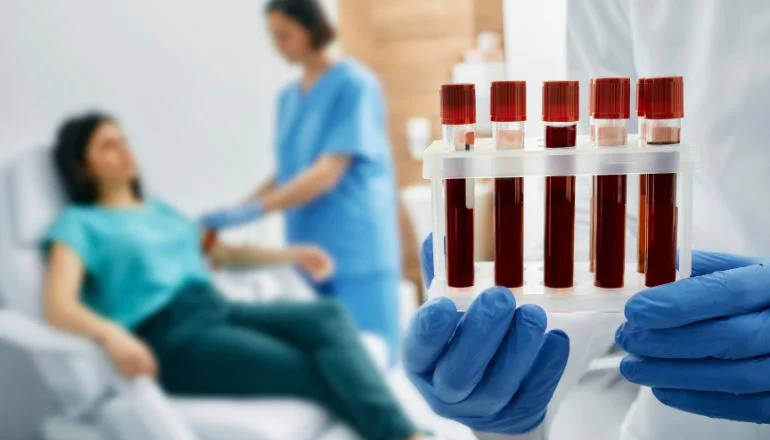
For enhanced athletes, blood panels should be done:
- Before starting a cycle (to establish a baseline)
- Mid-cycle (to monitor stress markers and adjust dosages)
- Post-cycle (to guide recovery and evaluate suppression)
- During PCT (to ensure hormonal restoration)
If you’re running blast and cruise, bloodwork every 10–12 weeks is a smart move. For natural athletes, every 6 months is enough.
Liver Function Markers (AST, ALT, ALP, GGT)
Orals like Anavar, Dianabol, Anadrol, and even over-the-counter fat burners can be harsh on your liver. Keep a close eye on:
- AST (SGOT) and ALT (SGPT): Elevated levels = liver stress
- ALP and GGT: Help differentiate between muscle strain and liver damage
Don’t assume your liver’s fine just because you “feel okay.” Damage builds silently.
Kidney Function (Creatinine, BUN, eGFR)
High-protein diets, dehydration, and certain injectables can impact kidney function. Key markers to track:
- Creatinine: High levels suggest poor kidney filtration
- BUN (Blood Urea Nitrogen): Linked to protein metabolism
- eGFR (Estimated Glomerular Filtration Rate): Tells you how well your kidneys filter blood
If your creatinine is high, consider checking Cystatin-C—a more accurate kidney marker for bodybuilders with high muscle mass.
Lipid Panel (Cholesterol, LDL, HDL, Triglycerides)
Steroids and fat burners can wreck your cholesterol profile. You want:
- Low LDL (“bad” cholesterol)
- High HDL (“good” cholesterol)
- Triglycerides in normal range
Compounds like Anavar and Winstrol tend to crush HDL. Use fish oil, citrus bergamot, and keep saturated fats in check.
Complete Blood Count (CBC)
Your red blood cells matter more than you think. Steroids like testosterone and EQ increase hematocrit and hemoglobin, thickening your blood.
- Hematocrit: If it’s over 52%, you’re at risk of blood clots or heart issues
- Hemoglobin: Watch this if you’re feeling short of breath or lethargic
- RBC & WBC: Monitor for signs of infection, inflammation, or overproduction
If levels are high, consider donating blood to lower viscosity.
Hormones Panel (Testosterone, LH, FSH, SHBG)
This is the core of any bodybuilder’s bloodwork. You want to monitor:
- Total Testosterone: To see if your levels are suppressed or supra-physiological
- Free Testosterone: Tells you what’s bioavailable
- LH & FSH: These drop when you’re shut down; should rebound after PCT
- SHBG: Impacts how much free test you actually have
If you’re cruising or recovering, these markers guide whether your endocrine system is bouncing back.
Estrogen (E2 – Sensitive Assay)
Estrogen is not the enemy. It supports joint health, libido, and mood. But too much leads to:
- Water retention
- Gynecomastia
- Mood swings
Use the Sensitive E2 assay, not the standard one. Keep it in a sweet spot—not too high, not too crashed from overusing aromatase inhibitors.
Prolactin & Progesterone
If you’re using 19-nor compounds like Deca or Tren, prolactin can become a problem. High prolactin causes:
- Low libido
- Erectile dysfunction
- Lactation in extreme cases
Progesterone plays a supporting role—elevated levels can amplify estrogen-like effects. Track both to avoid post-cycle surprises.
Thyroid Panel (TSH, T3, T4)
If you’re using T3 (Cytomel) or Clenbuterol, you need to monitor:
- TSH (Thyroid Stimulating Hormone)
- Free T3 and Free T4
These tell you if your thyroid is under stress or suppressed. After using T3, levels may tank—especially if you didn’t taper. Thyroid recovery can take weeks, so plan accordingly.
Blood Glucose & Insulin Sensitivity (Fasting Glucose, HbA1c, Insulin)
Insulin resistance is a hidden killer in bodybuilding. Growth hormone, high-carb bulks, and poor sleep can throw off your glucose metabolism.
Check:
- Fasting glucose: Should be under 100
- HbA1c: Shows your average glucose over 3 months
- Fasting insulin: High levels = early sign of insulin resistance
If these are off, clean up your diet and consider adding berberine or metformin (under medical supervision).
PSA (Prostate-Specific Antigen)
For men running long-term testosterone or DHT-based compounds, PSA is non-negotiable. It helps track prostate health. A sudden spike? Time to see a doctor.
CRP (C-Reactive Protein)
CRP measures systemic inflammation. High CRP levels suggest chronic stress, overtraining, or cardiovascular risk. It’s one of the most underrated tests in a bodybuilder’s toolkit.
How often should bodybuilders check their blood work?
Enhanced athletes should check labs before, during, and after every cycle—roughly every 8–12 weeks. Natural lifters can check twice a year.
What’s the biggest red flag in steroid bloodwork?
Consistently elevated hematocrit or suppressed HDL are major concerns. Left unchecked, these can increase heart attack and stroke risk.
Can blood work show if my liver is damaged?
Yes—ALT and AST are the first warning signs. But they can also be elevated from intense training. Look at GGT for a more liver-specific marker.
Why is estrogen testing important for men on cycle?
Too much estrogen leads to bloating, gyno, and mood swings. Too little causes low libido and joint pain. Balance is everything.
Do I need to fast before blood work?
Yes—for most accurate results, fast 8–10 hours before your test. Skip caffeine and supplements that morning, too.
About the Author