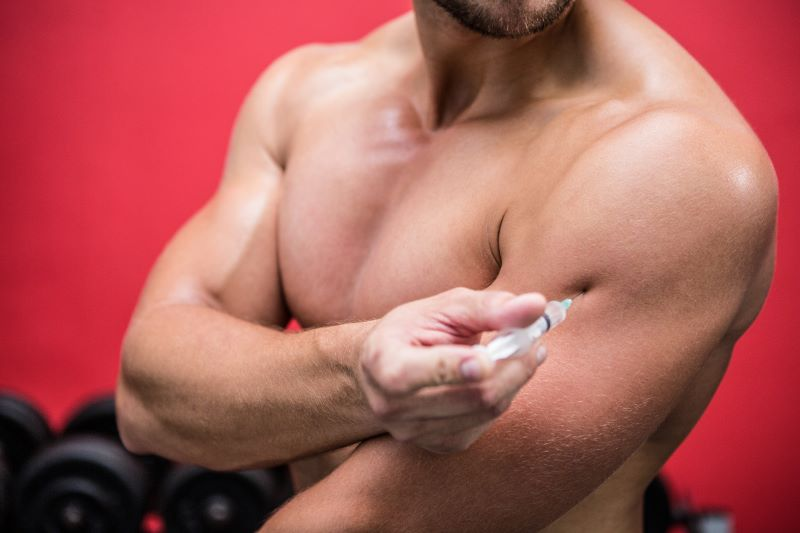
Balancing Relationships While on a Cycle: Advice for Gym Bros in Love
Running a steroid cycle is never just a “gym decision.” It spills over into every part of life — especially your relationships. From mood changes to altered sex drive, to the way you prioritise your time, cycles can quietly (or not so quietly) affect how you connect with your partner.
For many UK lifters, maintaining a strong relationship while chasing physique goals is a balancing act. Do it right, and your cycle might actually make your bond stronger. Do it wrong, and you risk letting your love life get buried under heavy plates and heavy side effects.
This guide breaks down how to keep your relationship thriving while on cycle — covering emotional, physical, and practical challenges.
Why Relationships Feel Different During a Cycle
When you start a steroid cycle, you’re altering your body’s chemistry — and chemistry drives behaviour. Elevated testosterone and other androgens affect not just your muscles but also your mood, energy, and libido.
For some, that means increased confidence and drive. For others, it means irritability, tunnel vision on training, and emotional ups and downs. Recognising these changes early is key to preventing misunderstandings.
1. Communicate From Day One
The most important step you can take is open communication. Many relationship issues during cycles stem from secrecy or assumptions.
- Tell your partner you’re cycling – If they don’t know, they can’t understand mood swings or new behaviours.
- Explain what to expect – Cover both potential positives (higher energy, better body confidence) and possible negatives (irritability, acne, fatigue).
- Invite questions – Giving your partner a chance to voice concerns creates trust and defuses tension.
If your partner feels excluded from your fitness journey, they might see the gym — and the cycle — as competition for your attention.
2. Manage Your Time Like a Pro
Cycles often come with stricter training and nutrition schedules. If you’re in the gym for two hours a day, prepping meals, and obsessing over recovery, it can eat into couple time.
Practical ways to balance:
- Schedule “us time” like you schedule workouts – Put it in your calendar so you treat it with the same priority.
- Meal prep together – If your partner enjoys cooking, make it a shared activity.
- Plan active dates – Hiking, swimming, or even gym sessions together can double as bonding and training.
Remember: the gym is a priority, but it’s not your only priority.
3. Watch Your Temper and Emotional Shifts
Not all steroid users experience mood swings, but for those who do, they can be damaging to relationships. “Roid rage” is often overhyped, but subtle irritability or shorter patience is common.
To minimise impact:
- Track your mood daily – A simple 1–10 rating can help you spot patterns.
- Avoid conflict-heavy situations during high-stress training weeks.
- Take a breath before reacting – Sometimes it’s just the hormones talking.
If your partner mentions you’re “snappier than usual,” listen rather than argue. Their perspective can catch shifts you’re too close to notice.
4. Navigate Changes in Libido
One of the most unpredictable cycle side effects is libido fluctuation. Early in the cycle, higher testosterone can supercharge sex drive. Later — especially on certain compounds — libido can crash, leaving your partner confused.
How to handle:
- Be upfront – If you feel a change coming, talk about it before it becomes a problem.
- Don’t rely solely on hormones – Maintain intimacy through non-sexual connection (touch, conversation, shared activities).
- Plan PCT carefully – Post-cycle therapy supports hormonal recovery and helps normalise sex drive.
Ignoring this part of the relationship often leads to tension — physical and emotional.
5. Address Physical Side Effects Honestly
Steroids can bring visible side effects — acne, water retention, hair thinning — which can impact self-esteem and attraction dynamics. Your partner may notice before you do.
Instead of brushing it off:
- Acknowledge the changes – This prevents your partner from thinking you’re in denial.
- Show you’re managing it – Skin care routines, hair treatments, and proper hydration matter.
- Stay confident – Confidence (not arrogance) helps offset physical insecurities.
By being proactive, you avoid awkwardness and keep attraction strong.
6. Don’t Let the Cycle Dominate Conversation
If every conversation turns into macros, PRs, and injection schedules, your partner may feel sidelined. Remember: your relationship existed before this cycle and will (hopefully) continue after.
Try:
- Asking about their day before gym talk – Small but powerful shift.
- Sharing non-fitness interests – Movies, hobbies, future travel plans.
- Keeping some cycle talk to gym friends – Not every detail needs to be relationship talk.
Balance creates more space for both partners to feel heard.
7. Keep Your Health in Check
One major relationship killer? Ignoring your health while cycling. If you push too far and end up sick, injured, or with serious side effects, your partner will worry — and possibly resent the risk you took.
Health basics:
- Regular blood work – Monitor cholesterol, liver function, hormone levels.
- Blood pressure checks – High BP can impact mood and energy.
- Use proper PCT – Restores balance faster, helping both body and relationship stability.
If your partner sees you taking your health seriously, they’re more likely to support your cycle.
8. Be Prepared for Their Concerns About Steroid Use
Even if you’re confident in your choices, your partner might fear long-term effects. This is normal — especially if they’ve read negative stories or seen media portrayals.
Approach with empathy:
- Acknowledge the risks – Don’t dismiss them.
- Share your plan – Show you’ve researched dosage, cycle length, and safety measures.
- Reassure without lying – Transparency builds trust.
Hiding the truth or brushing off questions only fuels doubt.
9. Include Them in the Journey (If They Want)
Some partners feel more at ease if they’re included in parts of your cycle. This doesn’t mean they need to inject you or count your macros — but they might enjoy being part of the process.
Options:
- Training together
- Attending competitions or events
- Helping with food shopping or meal ideas
- Celebrating physique milestones
Inclusion helps them feel connected rather than competing with your fitness goals.
10. Have a Post-Cycle Relationship Plan
Just like you plan your PCT for your body, plan a “relationship PCT” too. Post-cycle blues can impact mood, energy, and patience. Recognising this before it hits can prevent unnecessary conflict.
Ideas:
- Plan a relaxing weekend trip after your cycle to decompress.
- Lower training intensity temporarily to focus on your partner.
- Check in emotionally – Ask how they felt during the cycle and what could be improved next time.
This keeps the relationship adaptable to your fitness lifestyle.
The Bottom Line
A steroid cycle changes more than your reflection in the mirror — it shifts how you think, feel, and interact. For UK gym bros in relationships, success lies in managing these changes consciously.
You can build muscle without breaking bonds if you:
- Communicate openly
- Manage your schedule
- Keep emotional awareness high
- Prioritise your partner alongside your gains
Fitness goals should strengthen your life, not isolate you from the people who matter most.
FAQs
Does steroid use always cause relationship problems?
No. Many couples navigate cycles successfully with good communication and planning.
Will my partner notice I’m on cycle?
Likely yes — due to physical changes, energy levels, and possibly mood shifts.
What’s the biggest relationship risk while on cycle?
Neglect — either from time spent at the gym or from emotional unavailability.
How can I help my partner feel secure during my cycle?
Be transparent, manage your time, and make them feel included in your journey.
Is PCT important for relationship health?
Absolutely. Restoring hormonal balance helps stabilise mood and libido, which directly affects relationship dynamics.
About the Author