
In recent years, Selective Androgen Receptor Modulators (SARMs) have captured attention across the fitness, bodybuilding, and medical communities alike. Marketed as the next-generation alternative to anabolic steroids, SARMs promise impressive muscle gains, enhanced fat loss, and increased performance; without the harsh side effects commonly associated with traditional androgenic compounds.
But do SARMs truly live up to their name? Are they actually selective in targeting muscle and bone tissue while sparing the prostate, liver, and cardiovascular system?
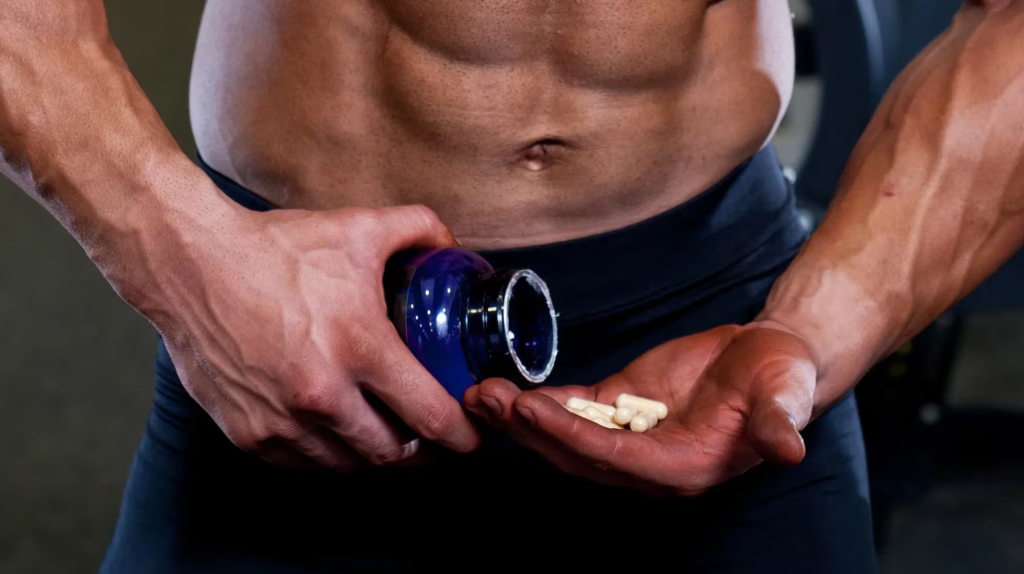
Let’s explore the science behind SARMs, their mechanism of action, benefits, risks, and—most importantly—whether their selectivity is fact or fiction.
What Are SARMs?
SARMs are a class of therapeutic compounds originally developed to treat conditions like muscle wasting, osteoporosis, and hypogonadism. Unlike steroids, SARMs bind to androgen receptors in a tissue-selective manner; meaning they aim to stimulate muscle and bone growth without significantly affecting other organs like the prostate or liver.
Common SARMs include:
- Ostarine (MK-2866)
- Ligandrol (LGD-4033)
- Testolone (RAD-140)
- Andarine (S4)
- YK-11
- S23
How Do SARMs Work?
Androgens (like testosterone) influence the body by binding to androgen receptors (ARs) in tissues such as muscle, bone, and reproductive organs. Steroids activate all ARs—leading to widespread anabolic effects, but also undesirable androgenic side effects (e.g., hair loss, prostate enlargement, virilization in women).
SARMs differ by modifying the receptor’s behavior:
- They selectively bind to ARs in skeletal muscle and bone.
- Once bound, they activate gene expression related to muscle hypertrophy and bone density.
- In non-target tissues (e.g., prostate), they exert minimal activity.
This “selectivity” is the key promise: maximize muscle gains while minimizing systemic side effects.
Why SARMs Were Considered Safer Than Steroids
SARMs were designed to address a key problem: how to achieve the anabolic benefits of testosterone without the associated organ toxicity or hormonal imbalance.
Here’s what early preclinical trials showed:
| Compound | Target Effect | Minimal Impact On |
|---|---|---|
| Ostarine | Muscle growth | Prostate & liver |
| LGD-4033 | Lean mass gain | HDL, estrogen |
| RAD-140 | Muscle/brain support | Hairline, aromatization |
These compounds demonstrated dose-dependent anabolic activity in muscle tissue without causing major increases in dihydrotestosterone (DHT), estradiol, or liver enzymes at therapeutic dosages.
Are SARMs Really Selective?
Here’s where science meets reality. While in vitro and animal studies showed tissue selectivity, real-world human use often blurs the lines. The idea that SARMs are “side-effect free” is increasingly being challenged.
Evidence of Selectivity (Support)
- Ostarine has been studied in elderly men and women with minimal androgenic side effects, and improved lean body mass without prostate enlargement.
- LGD-4033 showed anabolic activity with minimal impact on PSA levels or liver enzymes in early clinical trials.
Evidence of Limitations (Contradiction)
- Testosterone suppression still occurs, especially at higher or prolonged doses.
- Many users report estrogenic symptoms (gynecomastia, water retention)—likely due to endogenous testosterone suppression, leading to a hormonal imbalance.
- Liver toxicity has been observed with some SARMs (particularly YK-11, which may act more like a designer steroid than a true SARM).
- Cardiovascular risks (such as HDL suppression) have been noted in LGD-4033 and RAD-140 usage.
Conclusion: SARMs are selective, but not completely. Their selectivity is dose-dependent, and individual response varies. They are significantly more selective than anabolic steroids, but not devoid of risk.
Benefits of SARMs (When Used Responsibly)
✅ Increased Lean Muscle Mass – Without the water retention or bloating commonly associated with steroids
✅ Improved Fat Loss – Particularly with SARMs like Andarine or S4
✅ Enhanced Recovery – Faster tissue repair, ideal during cutting or recomp phases
✅ Joint & Bone Support – Ostarine has shown promise in improving joint health
✅ Oral Administration – No injections required, improving compliance
Risks & Side Effects of SARMs
Despite their promising profile, SARMs can still cause:
❌ Natural Testosterone Suppression – Especially after 4+ weeks of use
❌ Liver Enzyme Elevation – Particularly with unregulated, high-dosed compounds
❌ Cholesterol Imbalance – Decreased HDL (good cholesterol) in some users
❌ Vision Issues – Andarine (S4) has been linked to temporary visual disturbances (yellow tint or night blindness)
❌ Mood & Libido Swings – Due to hormone fluctuations post-cycle
Important: Many SARMs on the black market are contaminated or underdosed. Some have been found to contain prohormones or steroids, negating the selectivity altogether.
Should You Run a PCT After SARMs?
Yes. While SARMs aren’t as suppressive as anabolic steroids, compounds like RAD-140, S23, and YK-11 can significantly lower endogenous testosterone.
Suggested PCT for moderate SARM cycles (6–8 weeks):
- Nolvadex (Tamoxifen): 20 mg/day for 3–4 weeks
- Natural test boosters: D-aspartic acid, zinc, fenugreek
- Liver support: TUDCA, NAC, milk thistle
SARMs vs Steroids: Key Differences
| Feature | SARMs | Steroids |
|---|---|---|
| Selectivity | Tissue-selective | Non-selective |
| Route | Oral | Oral/injectable |
| Estrogen Conversion | No | Yes (aromatizes) |
| Testosterone Suppression | Moderate | Severe |
| Legal Status | Grey area (banned by WADA) | Controlled substances in most countries |
| Side Effects | Mild to moderate | Moderate to severe |
Legal Status of SARMs in 2025
- SARMs are not legal for human consumption in many countries, including the US, UK, Canada, and Australia.
- They are classified as investigational compounds, banned by WADA and most professional sports bodies.
- However, SARMs are still widely available online as “research chemicals”—a legal loophole many companies exploit.
Use is technically legal for research purposes, but buying for bodybuilding or personal use may breach laws in your country.
Are SARMs Worth It in 2025?
If your goal is moderate, lean muscle gain without full steroid cycles, SARMs can be a compelling tool—provided you understand the risks.
They offer:
- A safer alternative to steroids, but not a side-effect-free solution
- Better gains than natural-only supplementation, but require proper cycle support
- Shorter recovery time, but still demand post-cycle therapy
In short: SARMs are selectively anabolic—but not magically safe. They’re best used with medical supervision, careful sourcing, and proper cycling.
Frequently Asked Questions
Are SARMs safer than steroids?
Generally, yes. SARMs are more selective and cause fewer androgenic side effects. However, they still suppress natural testosterone and carry risks if misused.
Do SARMs build muscle?
Yes. SARMs like Ostarine, Ligandrol, and RAD-140 have been shown to increase lean muscle mass and strength, particularly when paired with proper training and nutrition.
Can SARMs cause gynecomastia?
Indirectly. While SARMs don’t aromatize, testosterone suppression may lead to estrogen dominance, increasing the risk of gynecomastia in sensitive individuals.
Are SARMs legal in the UK/US?
SARMs are not approved for human use. They’re legal to purchase as “research chemicals” but are banned in competitive sports and not sold as dietary supplements.
Do I need a PCT after using SARMs?
Yes. A mild PCT is recommended after any cycle longer than 4–6 weeks, especially with suppressive SARMs like RAD-140 or S23.
About the Author


